Smart Home Security: The Best IoT Devices to Protect Your Property
Introduction
A decade ago, installing a comprehensive home security system meant hiring a specialized company to run wires through your walls, paying hundreds of dollars for a proprietary control panel, and locking yourself into an expensive multi-year monitoring contract. Today, the landscape of home protection has been completely democratized by the Internet of Things (IoT).
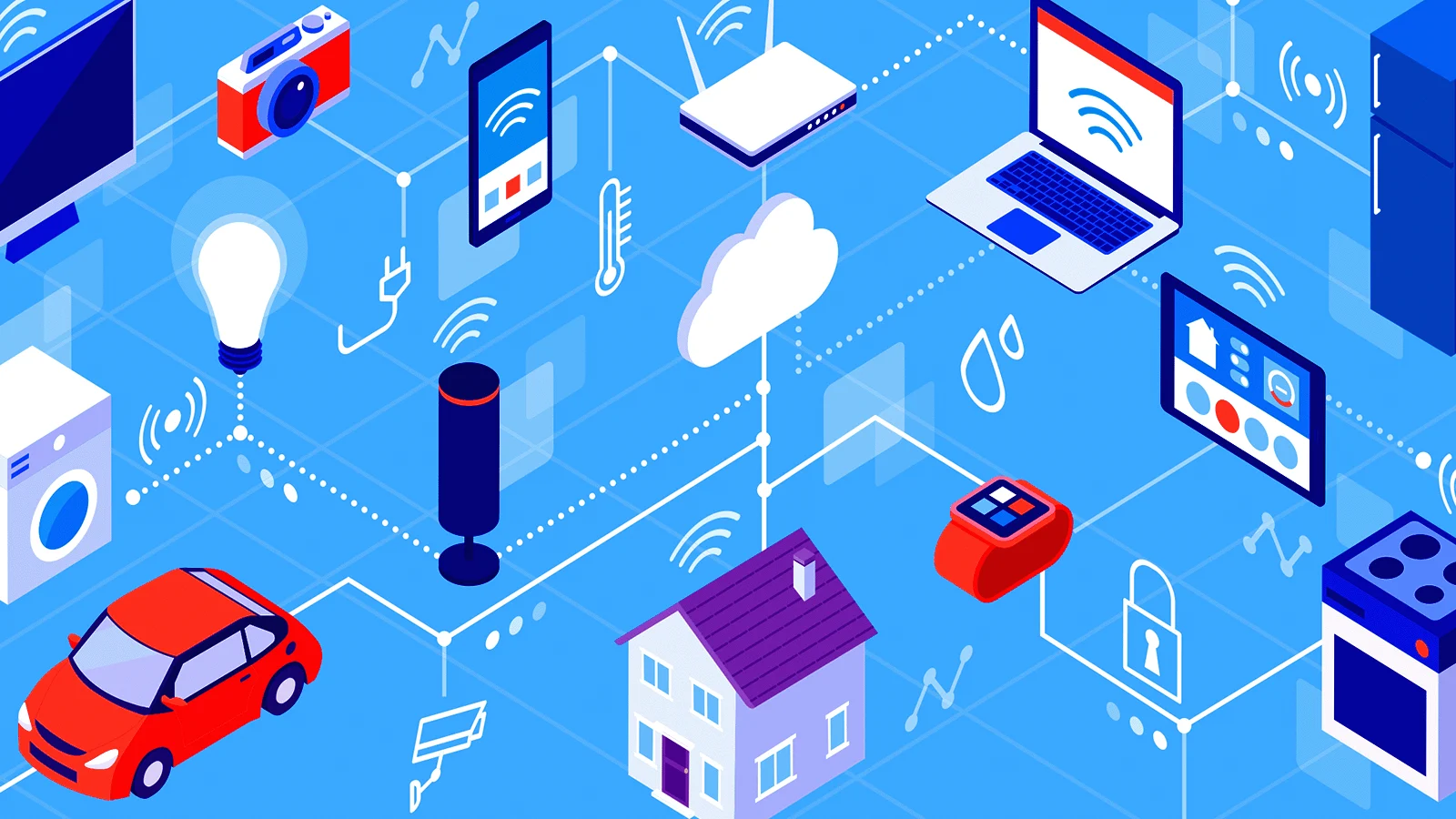
Modern smart home security relies on interconnected, wireless devices that you can install yourself and monitor directly from your smartphone. From AI-powered cameras that can distinguish between a stray dog and a package thief, to biometric deadbolts, IoT technology offers unprecedented control over your property’s safety. If you are looking to upgrade your home defense in 2026, here is a guide to the essential smart devices you need.
1. The Frontline: Video Doorbells and AI Cameras
The most effective deterrent to property crime is a highly visible, intelligent camera system. However, modern smart cameras do much more than just record grainy footage.
- Video Doorbells: Devices like the Ring Video Doorbell Pro or Google Nest Doorbell act as the primary gatekeeper for your home. They offer two-way audio, allowing you to speak to delivery drivers or confront suspicious visitors from anywhere in the world.
- AI Object Detection: The biggest advancement in 2026 camera technology is edge-based AI. Instead of sending every motion trigger to the cloud (which drains battery and delays alerts), modern exterior cameras process video locally. They can instantly differentiate between a passing car, a swaying tree branch, and a human being, drastically reducing the number of false-alarm notifications sent to your phone.
2. Smart Locks: The End of the Physical Key
Losing a house key or hiding a spare under a doormat are severe security vulnerabilities. Smart locks eliminate these risks entirely by upgrading your door’s deadbolt with digital access control.
- Keyless Entry Methods: High-end smart locks from brands like Schlage or August allow you to unlock your door via a smartphone app, an Apple Watch, or a biometric fingerprint scanner.
- Temporary Access Codes: The greatest advantage of a smart lock is access management. If you have a dog walker, a house cleaner, or an Airbnb guest, you can generate a temporary PIN code that only works on specific days and times. Once their time is up, the code automatically expires, ensuring your home remains secure without the need to track down physical copies of keys.
3. Perimeter Defense: Contact and Environmental Sensors
While cameras and locks protect the main entryways, true home security requires a holistic approach that monitors every potential point of failure.
- Door and Window Sensors: These are small, inexpensive, battery-operated magnetic sensors. If a window is forced open while the system is armed, the magnetic connection breaks, instantly triggering an alarm and sending a push notification to your phone.
- Glass Break Detectors: Intruders sometimes bypass contact sensors by simply smashing the window glass. Smart glass-break detectors use advanced microphones tuned specifically to the acoustic frequency of shattering glass, providing an essential backup layer of perimeter defense.
- Environmental Protections: Security is not just about stopping burglars; it is about preventing property damage. Smart water leak detectors placed under sinks or near water heaters can alert you to a burst pipe before it causes thousands of dollars in flood damage.
4. The Brains of the Operation: The Smart Hub
To get the most out of your IoT security devices, they need to communicate with each other seamlessly. This requires a central smart home ecosystem or hub.
Whether you choose Amazon Alexa, Google Home, or Apple HomeKit, a centralized hub allows you to create powerful security automations. For example, you can create an “Away Mode” routine: when you say, “I am leaving the house,” the hub automatically locks the smart deadbolt, arms the window sensors, turns off the internal lights, and activates the exterior motion cameras.
5. Securing the Smart Home Itself (Digital Defense)
It is a profound irony that connecting your physical home to the internet introduces a digital vulnerability. If a hacker gains access to your home Wi-Fi network, they could theoretically disable your smart cameras or unlock your front door. To prevent this:
- Change Default Passwords: Never leave the factory-default password on a new IoT device.
- Enable Two-Factor Authentication (2FA): Always turn on 2FA for your smart home apps (like your Ring or Nest account). This ensures that even if someone guesses your password, they cannot access your camera feeds without a secondary code sent to your phone.
- Update Firmware: Manufacturers frequently release software updates to patch security vulnerabilities. Set your smart devices to update automatically during the night.
Conclusion
The evolution of IoT has made elite-level home security accessible to everyone. By strategically deploying AI-powered cameras, biometric locks, and automated sensors, you can build a customized, highly responsive digital fortress around your property. As smart home technology continues to advance, protecting your family and your assets has never been easier, smarter, or more affordable.



Post Comment